
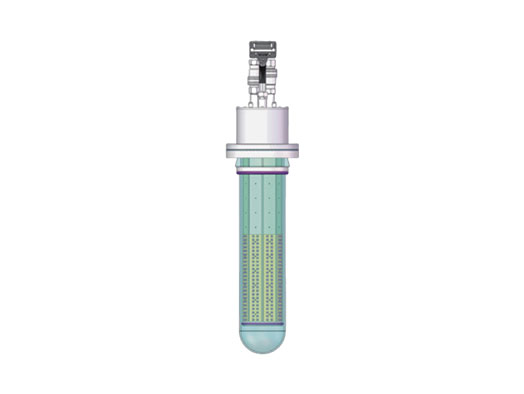
Photochemical chlorination process equipment plays an important role in modern chemical processing, especially in
applications that require controlled halogenation, high selectivity, and efficient light-assisted reaction performance.
As industries continue to prioritize process stability, energy efficiency, product purity, and safer operation, the
demand for reliable photochemical chlorination equipment continues to grow. This type of equipment is widely used in
specialty chemical production, pharmaceutical intermediates, agrochemical synthesis, material modification, and other
industrial applications where precision chlorination is required.
This guide provides a detailed, SEO-friendly overview of photochemical chlorination process equipment, including its
definition, core working principles, main advantages, typical specifications, common components, performance
considerations, and selection factors. The content is written in clear English and designed for use in blog posts,
category pages, industry landing pages, and technical resource pages.
Photochemical chlorination process equipment is a specialized industrial system designed to carry out chlorination
reactions under the influence of light, usually ultraviolet (UV) or visible light, depending on the process design.
In a photochemical chlorination reaction, light energy activates the reaction pathway, helping chlorine or chlorine-
containing reagents react with target compounds more efficiently and often more selectively than conventional thermal
methods.
The equipment generally includes a light source, reactor vessel, mixing system, temperature control system, gas/liquid
feeding units, safety devices, and automation controls. Depending on the application, the system may be used in batch,
semi-batch, or continuous operation modes. The main goal is to deliver consistent chlorination performance while
controlling reaction time, temperature, exposure intensity, and product quality.
Traditional chlorination processes can face challenges such as poor selectivity, excess byproduct formation, excessive
heat generation, and lower reaction control. Photochemical chlorination process equipment helps address these issues by
using light as a reaction initiator or accelerator. This can improve reaction precision, reduce unwanted side reactions,
and support more efficient process optimization.
In many industries, process equipment is not only about enabling a chemical reaction; it is also about improving
reproducibility, reducing operational risk, and supporting long-term productivity. Photochemical chlorination equipment
is valued because it helps manufacturers achieve better process control, safer handling, and potentially higher product
consistency in demanding chemical environments.
The major advantages of photochemical chlorination process equipment come from its ability to combine light-assisted
activation with industrial-grade process control. Below are the most important benefits that make this equipment highly
attractive for chlorination applications.
One of the most important advantages of photochemical chlorination process equipment is improved reaction selectivity.
Light-driven activation allows the reaction to follow a more controlled pathway, which can reduce the formation of
unwanted byproducts. This is especially valuable in specialty chemical production, where downstream purification costs
can be high and product purity requirements are strict.
Better selectivity means the process can deliver more of the desired chlorinated product while minimizing waste and
reprocessing. For manufacturers, this can translate into improved yield efficiency and more consistent batch quality.
Photochemical chlorination systems are designed for precise control over key process parameters such as light intensity,
exposure time, reaction temperature, feed rate, pressure, and mixing speed. This level of control makes it easier to
maintain stable operating conditions and reproduce results from batch to batch.
Better process control is critical for industries that need reliable output and strict quality assurance. It also helps
operators adjust the process more easily when working with different feedstocks or product specifications.
In many cases, photochemical chlorination process equipment can improve energy efficiency by reducing the need for
prolonged thermal heating. Because the reaction is driven or assisted by light, the process may achieve the desired
conversion with less overall thermal input, depending on the chemistry involved.
This can be a major advantage for industrial plants seeking to improve sustainability, lower utility consumption, and
reduce overall operating costs. Energy-efficient photochemical chlorination systems are especially attractive when
integrated into modern production lines focused on optimized resource use.
Side reactions are a common issue in chlorination chemistry. Excessive heat, poor mixing, or uncontrolled reagent
addition can promote over-chlorination or unwanted decomposition. Photochemical chlorination process equipment helps
reduce these issues through more uniform light distribution and tighter control over reaction conditions.
Lower side reaction rates can improve product quality, reduce waste generation, and decrease the burden on downstream
separation systems. This is a clear advantage for manufacturers aiming to enhance process economics and product
consistency.
Improved selectivity and lower byproduct formation often lead to enhanced product purity. This is highly valuable in
pharmaceutical intermediates, fine chemicals, and advanced materials, where purity levels directly affect market value
and compliance requirements.
Photochemical chlorination process equipment can support the production of cleaner output streams, making it easier to
achieve target specifications with less downstream purification effort.
Chlorination processes must be carefully managed because chlorine and chlorinating agents can be hazardous. Modern
photochemical chlorination equipment typically includes safety mechanisms such as sealed reactor chambers, gas
containment, temperature alarms, emergency shutdown functions, and corrosion-resistant construction.
Safer operation is one of the strongest reasons industries invest in advanced process equipment. By improving control
and minimizing operator exposure, photochemical chlorination systems can support safer industrial workflows and better
compliance with plant safety standards.
Depending on the design, photochemical chlorination process equipment can be configured for batch, semi-batch, or
continuous processing. This flexibility allows manufacturers to adapt the equipment to different production volumes and
process requirements.
Batch systems are useful for development and specialty production, while continuous systems are often preferred for
large-scale production and stable output. This operational flexibility makes photochemical chlorination equipment
suitable for a wide range of industrial uses.
Photochemical chlorination systems can be designed in different sizes, from laboratory-scale units to pilot plants and
full industrial reactors. This scalability makes it easier for companies to develop a process at a smaller scale and
then expand it into production without changing the core reaction principle.
Scalable equipment is important for process development, technology transfer, and commercial manufacturing. It supports
more efficient investment planning and helps reduce the risk of large-scale implementation.
By improving conversion efficiency and reducing unwanted reactions, photochemical chlorination process equipment can
contribute to lower waste generation. Less byproduct formation means less waste handling, less raw material loss, and
potentially lower environmental impact.
For manufacturers focused on cleaner production and process sustainability, this advantage is especially important.
Reduced waste can also improve regulatory compliance and support corporate environmental goals.
Modern photochemical chlorination equipment is often designed for integration with automated control systems. Sensors,
programmable logic controllers, monitoring instruments, and data logging functions help operators monitor the process
in real time.
Automation supports consistent operation, faster troubleshooting, improved reproducibility, and reduced dependence on
manual intervention. This is a key advantage in industrial settings where reliable performance and traceability are
essential.
The basic working principle involves exposing a reaction mixture to light while chlorinating agents react with the
target substrate. The light source provides the energy needed to initiate or accelerate the reaction. Inside the
reactor, proper mixing ensures uniform exposure, while temperature and feed controls help maintain stable reaction
conditions.
In a typical setup, the process may involve introducing the raw material into the reactor, adding chlorine or a chlorine
source, activating the system with light, and maintaining the required residence time until the reaction reaches the
desired conversion. The output is then cooled, separated, purified, or transferred to the next stage of production.
The performance of the equipment depends on several factors, including light wavelength, light intensity, reactor
geometry, optical path length, mass transfer efficiency, temperature management, and chemical compatibility of the
materials used in the system.
A complete photochemical chlorination system usually includes several integrated components. Each part contributes to
overall efficiency, safety, and control.
| Component | Function | Importance |
|---|---|---|
| Light Source | Provides UV or visible light to initiate or accelerate the chlorination reaction | Critical for reaction activation and process efficiency |
| Reactor Vessel | Contains the reaction mixture under controlled conditions | Essential for chemical containment and stable operation |
| Mixing System | Ensures uniform distribution of reactants and light exposure | Improves reaction consistency and reduces hotspots |
| Temperature Control Unit | Maintains the process within the desired temperature range | Prevents overheating and improves product quality |
| Feed and Dosing System | Controls the addition of chlorine, raw materials, and auxiliary agents | Supports accurate reaction management and safety |
| Gas Handling System | Manages chlorine gas or off-gas treatment when required | Important for emission control and operator safety |
| Control Panel / PLC | Monitors and automates process variables | Improves repeatability and operational efficiency |
| Safety Devices | Includes alarms, shutdown mechanisms, pressure relief, and containment measures | Supports safe and compliant operation |
Specifications vary by application, capacity, and process design. The table below shows common reference specifications
used for general industrial evaluation.
| Specification Item | Typical Range / Example | Notes |
|---|---|---|
| Reactor Type | Batch, semi-batch, continuous | Chosen based on production volume and reaction behavior |
| Light Source | UV lamp, LED light source, visible light source | Depends on photochemical reaction requirements |
| Material of Construction | Glass-lined steel, quartz, stainless steel, corrosion-resistant alloys | Selected for chemical resistance and optical performance |
| Operating Temperature | Ambient to controlled elevated temperature ranges | Process-specific; depends on reaction kinetics |
| Operating Pressure | Atmospheric to pressurized systems | Depends on reaction and safety requirements |
| Capacity | Laboratory scale to industrial production scale | Can be customized according to project needs |
| Control Mode | Manual, semi-automatic, fully automatic | Automation level affects consistency and efficiency |
| Mixing Method | Mechanical stirring, recirculation, static mixing | Selected to maximize reaction uniformity |
| Safety Features | Gas scrubbing, alarm systems, pressure relief, emergency stop | Essential for chlorine-related applications |
| Process Monitoring | Temperature, pressure, flow, light intensity, pH, concentration | Supports real-time quality control |
Photochemical chlorination process equipment is used in several industries where precise chlorination and controlled
reaction performance are important. Common application areas include:
In each of these areas, the ability to manage reaction selectivity, safety, and reproducibility is highly valued.
Photochemical chlorination equipment provides a practical solution for controlled production environments.
The performance of photochemical chlorination process equipment is influenced by many technical factors. Understanding
these factors helps users choose the right system and optimize operating conditions.
The choice of wavelength and intensity directly affects reaction initiation and conversion efficiency. Different
chemical systems respond to different light conditions, so matching the light source to the process is essential.
Reactor shape influences how light penetrates the reaction mixture and how effectively reactants are mixed. Good
geometry improves energy use and process uniformity.
Efficient mass transfer ensures that chlorine and other reactants are distributed properly. Poor transfer can reduce
yield and increase byproduct formation.
Stable temperature control is important because many chlorination reactions are sensitive to heat. Good thermal control
improves safety and maintains product quality.
Chlorination environments can be corrosive. Equipment materials must resist chemical attack while maintaining
structural integrity and long service life.
Compared with traditional thermal chlorination systems, photochemical chlorination process equipment often provides
improved control, better selectivity, and lower unwanted reaction formation. Conventional systems may rely heavily on
heat, which can increase side reactions and energy consumption.
In contrast, photochemical systems introduce light as a more targeted activation method. This can help manufacturers
achieve cleaner reactions, better reproducibility, and more efficient process tuning. For industrial users, this
difference can have a significant impact on quality, cost, and production reliability.
Selecting the right photochemical chlorination process equipment requires a careful review of process goals,
production scale, and safety requirements. Important selection criteria include:
Choosing equipment based on these criteria helps ensure strong long-term performance and better return on investment.
A well-matched system can improve operating efficiency, lower maintenance burden, and support stable production output.
Like all industrial chemical equipment, photochemical chlorination systems require regular maintenance to preserve
performance and safety. Common maintenance considerations include lamp inspection, reactor cleaning, seal checks,
sensor calibration, corrosion monitoring, and control system testing.
Regular preventive maintenance helps reduce downtime and ensures the equipment continues to operate within safe
parameters. For plants handling chlorinating agents, maintenance planning is especially important because chemical
exposure can affect materials, seals, and instrumentation over time.
To support Google indexing and search visibility, content around this topic often includes terms such as
photochemical chlorination process equipment, photochemical chlorination system,
chlorination reactor equipment, UV chlorination equipment,
industrial chlorination process, chemical process equipment,
light-assisted chlorination, and chlorination reactor advantages.
Using these phrases naturally throughout a page can help search engines understand the topic, intent, and relevance of
the content. However, keyword usage should remain readable and user-focused, with clear structure and technical value.
| Advantage | Business Value |
|---|---|
| Improved selectivity | Better yield and fewer byproducts |
| Better process control | More stable and reproducible operation |
| Higher energy efficiency | Potential reduction in utility consumption |
| Reduced side reactions | Cleaner product streams and less waste |
| Enhanced purity | Improved product quality for demanding applications |
| Safer operation | Lower exposure risk and stronger process safety |
| Scalability | Supports lab, pilot, and industrial production |
| Automation compatibility | Higher efficiency and easier monitoring |
Photochemical chlorination process equipment offers a powerful combination of reaction control, operational safety,
improved selectivity, and industrial scalability. For companies involved in specialty chemicals, pharmaceuticals,
agrochemicals, and other precision chemical sectors, this equipment can provide significant advantages over
conventional chlorination methods.
By supporting better product purity, lower byproduct formation, and more efficient process management, photochemical
chlorination systems are becoming an increasingly important part of modern chemical manufacturing. Whether used in
pilot projects or full-scale production, the right equipment can help improve efficiency, reduce waste, and support
long-term process reliability.
If you are building an industry page, blog article, or technical resource section, this topic is highly suitable for
SEO-focused content because it combines strong commercial intent with technical depth. A well-structured page with
definitions, advantages, tables, and application insights can perform well in search results while remaining useful to
readers.
추가하다:건물 7, Z Acer Z Hi 산업 단지, Lian Tang ave, shanghu 타운, C 행 번호, 장쑤성
전화:0512-65560736 / 0512-65371556
이동하는:+86 13584913897 / +86 13771738377 (판매)
이메일:jkzdhsm@yeah.net
이 웹사이트는 귀하가 당사 웹사이트에서 최상의 경험을 할 수 있도록 쿠키를 사용합니다.
 English
 Español
 Pусский
 Deutsch
 日本語
日本語 हिन्दी
 Indonesia
 Melayu
 Tiếng Việt



 왓츠앱
왓츠앱 핸드폰
핸드폰
논평
(0)